Understanding Pain Rehabilitation: A Path to Recovery
Pain is an essential part of the human experience, signalling potential harm to the body. However, when pain persists beyond its protective role, it can become a debilitating condition that affects daily life. Pain rehabilitation aims to manage and alleviate chronic pain through various evidence-based approaches, improving the quality of life for those affected.
What Is Pain?
Pain is defined as an unpleasant sensory and emotional experience associated with actual or potential tissue damage. It is broadly categorized into acute pain and chronic pain. Acute pain is short-term, usually resolving as the underlying cause heals, such as a cut or fracture. Chronic pain, on the other hand, lasts beyond three to six months and often persists even after the initial injury or condition has healed. It can arise from conditions like arthritis, nerve damage, or musculoskeletal disorders.
Types of Pain
Pain can be classified into different types based on its origin and characteristics:
Nociceptive Pain: Caused by injury or inflammation affecting tissues, such as burns, cuts, or joint pain.
Neuropathic Pain: Resulting from nerve damage, commonly seen in conditions like диабетическая невропатия or sciatica.
Musculoskeletal Pain: Related to muscles, bones, and joints, often experienced in arthritis or back pain.
Psychogenic Pain: Influenced by psychological factors such as stress, anxiety, or depression, without clear physical causes.
Measuring Pain
Pain is subjective, making its measurement challenging. However, various tools help assess pain levels, ensuring effective treatment:
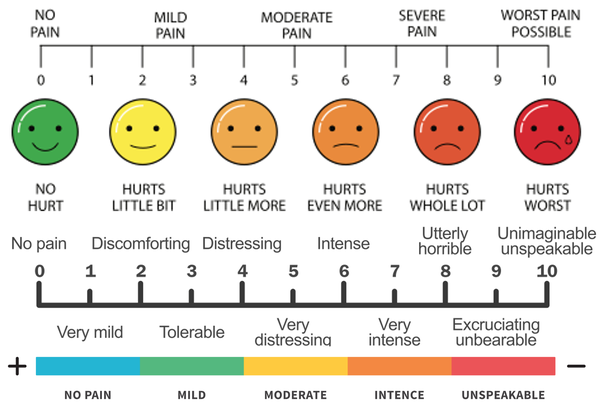
Visual Analog Scale (VAS): Patients mark their pain intensity on a line ranging from "no pain" to "worst pain."
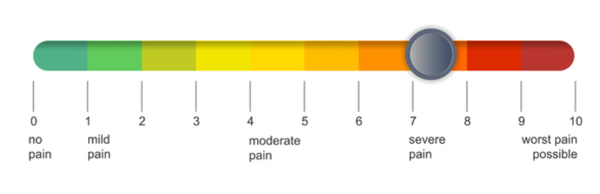
Numerical Rating Scale (NRS): A simple 0-10 scale where 0 represents no pain, and 10 represents extreme pain.
McGill Pain Questionnaire: Uses descriptive words to assess pain's quality, intensity, and emotional impact.
Functional Pain Assessments: Evaluate how pain affects movement and daily activities.
Pain Rehabilitation Methods
Pain rehabilitation employs a multimodal approach to relieve pain and restore function. Physical therapy is an important treatment for pain rehabilitation.
Physical Therapy
Physical therapy is a cornerstone of non-invasive pain management, aiming to restore mobility, reduce discomfort, and prevent future injuries. It encompasses various techniques tailored to individual needs, including:
Exercise Therapy: Targeted exercises help strengthen muscles, improve flexibility, and enhance joint stability, reducing strain and preventing pain recurrence. Common methods include resistance training, stretching routines, and low-impact aerobic exercises.
Manual Therapy: Hands-on techniques such as massage, joint mobilization, and soft tissue manipulation help alleviate muscle tension, improve circulation, and restore range of motion. These methods are particularly effective for musculoskeletal pain and post-injury recovery.
Postural Training: Poor posture can contribute to chronic pain by placing excessive stress on muscles and joints. Postural correction techniques focus on body alignment, ergonomic adjustments, and movement re-education to prevent strain and discomfort.
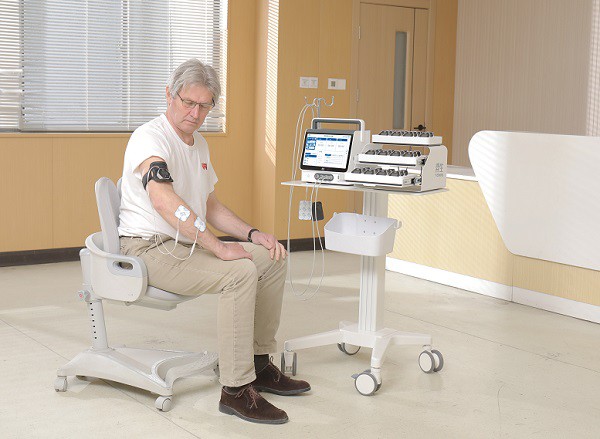
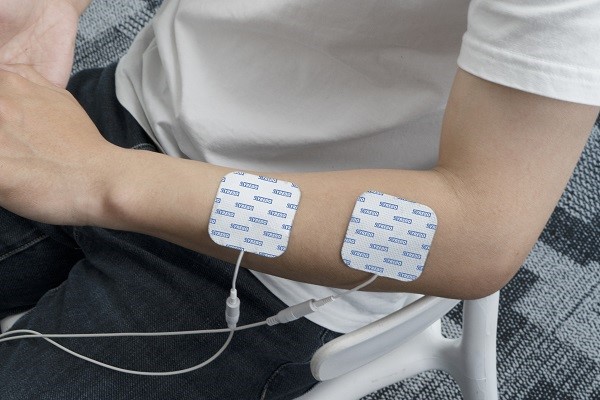
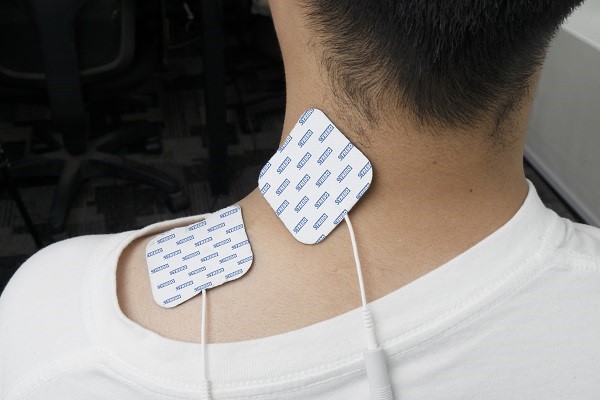
Electrotherapy: Advanced modalities such as transcutaneous electrical nerve stimulation (ЧЭНС) use electrical impulses to stimulate nerves, block pain signals, and promote tissue healing.
Additionally, the Syrebo Low and Medium Frequency Electrotherapy System integrates wired medium-frequency and wireless low-frequency stimulation into a single device, offering 4 wired medium-frequency channels and up to 36 wireless low-frequency channels. This allows for simultaneous multi-channel treatment, improving efficiency and reducing equipment costs for hospitals. The system comes pre-installed with 40 electrotherapeutic prescriptions, while therapists can also customize treatment plans by adjusting wave parameters to meet individual patient needs. By delivering precise, adjustable electrical stimulation, this system enhances circulation, relieves pain, supports neuromuscular recovery, and facilitates functional rehabilitation-particularly benefiting patients who require both passive and active therapy.